2016年7月1日 星期五

Active Listening

https://www.cdc.gov/parents/essentials/communication/activelistening.html

Active Listening

Active listening is a good way to improve your communication with your child. It lets your child know you are interested in what she has to say and want to hear more. When you are actively listening, you give your full attention to your child. You make eye contact, stop other things you are doing, and get down on your child’s level. You reflect or repeat back what she is saying and what she may be feeling to make sure you understand.
When you actively listen to your young child, a strong relationship develops. As your child grows, if you continue to actively listen to her, your relationship will continue to get stronger. A strong relationship with your child will make it more likely she will talk with you about her hopes and problems when she is older.
It is sometimes tempting to brush off our children’s problems, especially if we have had a bad day, if we are busy, or if our child seems to have the same problems over and over. But our children need to know that we are going to listen to them. Here is an example.

Active Listening Example 1

Your child’s baseball game is at 6:00. You only have a short time to make dinner, help with homework, and get everyone ready for the game. You have no idea how you will get it all done. While the kids play, you quickly start making dinner. Soon, you hear your son crying. He comes and tells you that his brother hit him and called him a bad name. Your children are always arguing. You are tempted to keep making dinner while nodding your head at what your child is saying, but then you decide to show him you are actively listening. You stop what you are doing, turn to him, make eye contact, and summarize what he has told you and how he seems to be feeling. You say, “It sounds like your brother made you feel sad when he hit you and said mean things.” By doing this, you have let your child know that he has your full attention. He knows that his emotions and feelings are important to you.
Sometimes a child who is upset may not be able to name the emotion she is feeling. Active listening can be a great way to help her. Here is an example.

Active Listening Example 2

You pick up your daughter from preschool. She is crying and tells you that her friend took her favorite toy and stuck out his tongue at her. You show her that you are actively listening when you say, “It seems like you are sad about your friend taking your favorite toy.” Your daughter continues to cry and nods her head. She says that she thinks her friend will break the toy. You show her that you are still actively listening by saying, “So you are scared that your friend might break your toy.” At this time, your daughter calms down a bit. You and your daughter continue to talk, and she knows that it is okay to be upset. She has begun to learn how to label and cope with her feelings by talking to someone.
Additional information on the use of active listening is provided below.

Using Reflections to Show You’re Listening

Reflection is one way for you to show you are actively listening to your child. You can do this by repeating back what your child has said or by labeling and summing up how you think he feels.
Reflections of Words
When reflecting your child’s words, you repeat what your child has said. This lets your child know you are actively listening. When you reflect your child’s words, you are giving attention to him for his use of words. This increases the chance that your child will talk more because he wants your attention. You don’t have to repeat exactly what your child said but what you say is usually very similar. You can add detail, shorten, or correct what your child has said. Here is an example:
Child:
“I drawed some sghetti.”
Parent Response 1:
“You drew some spaghetti.”
In this example, the parent repeats what the child has said but corrects the grammar and says “drew” instead of “drawed”. The parent also pronounces “spaghetti” for the child.
Parent Response 2:
“You drew some long spaghetti.”
In this example, the parent repeats what the child has said but corrects the grammar and says “drew” instead of “drawed”. The parent also pronounces “spaghetti” for the child and adds detail by describing the spaghetti as “long”.
Reflection of Emotions
When you reflect your child’s emotions, you watch your child’s behavior and describe the emotions he seems to be having. This gives your child a word for the emotion and helps him see that it is ok to talk about feelings. Reflection of emotions is not always easy. Here are some tips to make it easier.
  • Take a guess even if you are unsure. There may be times when you are unsure what your child is feeling. For example, your child may be crying but you may not know if he is angry, scared, or sad. You can let him know that you are paying attention and trying to understand how he feels by saying, “It seems like you are upset or “It sounds/looks like something is bothering you”. Your child may not know himself what he is feeling and by talking you can figure it out together.
  • Words aren’t needed all the time. You can let your child know you are paying attention to how she feels by what you do even if you don’t say anything. You can just sit with your child while she is upset or stay physically close and hold or comfort her.
  • You don’t always have to agree. Sometimes it is difficult to summarize or label your child’s feelings because you think he should be responding in a different way. Telling your child to stop feeling a particular way or asking him not to worry does not show your child you are trying to understand how he feels. By talking with your child about his feelings, you can help him deal with and understand his feelings.
  • Talk about other feelings. Children may have several emotions at the same time. For example, your child might feel sad and afraid at the same time. By talking about all the feelings, you show your child you care about what she is showing on the outside and may be feeling on the inside. You can also help your child figure out how to deal with many different feelings.
  • Don’t worry about getting it wrong. Sometimes when parents are learning active listening skills, they worry that they will incorrectly summarize and label their child’s feelings. You should not worry. Children usually correct their parents if their feelings are described incorrectly. If your child corrects you, try again. Reflect what he has said to you, and expand on it to give him more words and to learn ways to describe his feelings.

2016年5月3日 星期二

耹聽才明白

 教師發展日,亞女一整天都說沒有甚麼功課,但到晚飯時突然說:「媽咪,一陣我要您幫下我做社會科功課...」


做媽媽的心裡當然滿腔怒火,不滿已寫在臉上,心想:「真不明白,您一大早還說自己已完成作業,下午又約了同學玩, 一點兒都沒提過還有未完的功課。您究竟點管理時間?」


但我只說:「為什麼您早上沒有提過?」


但她卻一臉不滿說: 「哎呀!您都不明白。」


算吧!忍住怒火:「好! 那麼您要搵媽咪時就找我,但下次唔該早d,因為媽媽都有自己的事情要做。」


待她吃完飯,洗完澡後,就有點內疚地來跟我說:「媽咪,剛才我洗澡時已想了一想如何做,應該只需要您幫小小。」
我淡然說:「好吧!有需要就找我吧!」


過了一會,她興奮地走過來說:「媽咪,不用找您了,原來xx同學已做了,剛電郵了過來。我明天只須回校幫忙edit一下。」


我也只好說那就好了,但到臨睡前才問究竟是怎麼回事,她為什麼早上還說沒功課。


她才說:「其實是Group Project, 但一直沒有同學有回應寫甚麼, 我本來打算如果沒有人回覆,就自己做,其實我擔心了一整天。但不知如何好。」


原來是如此, 幸好忍住不責罵,才有機會聆聽她的心聲。

2016年3月15日 星期二

好文分享: 迎難而上 珍愛生命


近期頻頻傳出學生自殺的新聞,聞者痛心,各方急謀對策,但從公布所見,這些對策,似乎仍是未能對症下藥,有位樂先生,來函《排除萬難,勇闖關山》談此,特在此分享。

石先生:

當我讀到新聞,本學年已有二十二位學生先後自殺,大吃一驚!十分痛惜。我想借貴報一角,說幾句愚見。

我家有兩子,小學年年當班長,任風紀,品學兼優,從未補習。升中時,當屆全校奪魁,如今,都在小有名氣的中學讀書。他們的小學生涯暢順,不但愉快求學,而課餘活動也多姿多采。

學勇敢和奮鬥的心

不要以為我兩子是天才,錯了。我的幼子,原是「亞氏保加症」(「亞氏保加症」是自閉症譜系其中一種。)患童,兩歲半尚未懂得開口說話,受特殊教育四年多!在他還在幼稚園時,我見他進步緩慢,便猛下決心,休假半年,天天相伴,日日指導。突然間,他進步加速,追風逐電,彷彿變了另一個孩子。破樊籠,飛彩鳳,他速速追平同齡的孩子,順順利利,升讀主流小學,愈跑愈快,後來獨佔鰲頭。

早前社會很多討論TSA,我問幼子,他毫不含糊地說:「TSA很容易,根本不用溫書。」如果連我的幼子,曾屬「自閉症譜系的」,也能愉快求學,不覺壓力,為甚麼同一教育制度,同樣的功課和考試,其他千千萬萬的學生不可以?竟還有二十二位學生自殺?

我看不是考試壓力的問題,是孩子缺乏鬥志,和奮勇向前的決心。多年來,身邊的朋友不斷問我:「怎教?」讓我說幾句吧。

得悉新聞那天,我便與兩子說司馬遷的生平:「太史公寧願受腐刑(是中國古代一種殘酷的刑法),也要留住生命,完成《史記》,後世萬人景仰。你倆也要學習,遇任何困難,都要積極面對,豈可隨便放棄!」司馬遷的故事,兩子都知道,都點頭。勾踐臥薪嘗膽,劉邦屢敗屢戰,韓信胯下之辱,我都常用以教兒。香港的學生,也希望能好好記着。

家庭教育非常重要

我夫妻倆在兩子剛讀幼兒班,已不停強調:「遇上困難,勇敢面對,一定成功」。日常也掌握機會,令他們經歷考驗,甚至刻意製造,要他們捱一點苦。

這就是我家教子的方法,自小教,永遠鼓勵。為甚麼我家可以做到?是因賢妻放棄事業,在家管理一切,教導督促。孩子功課遇疑難,我夫妻倆永遠親教,孩子獲得支持,便努力學習,開心上課。「品學兼優」,是他們自定的目標,所以從不覺讀書和考試壓力。

到了他們稍長,我家更加訓令:「長大後,要自立,不靠父母,不賴政府。」男兒漢,大丈夫,豈能依賴他人?要有勇闖關山,剛勁自強的氣量。這些說話,全在小學初,耳提面命,說過無數次。他們受了教誨,奮勇學習。今天,他們充滿信心,大步向前。

政府設立專責委員會,檢討學生輕生原因,又派教育心理學家,社工到校,必有幫助,可以紓緩學生情緒。但問題根源是家庭教育,在香港,今天的家庭,一個起,兩個止。父母都上班的很多,誰來陪伴,誰來教育?物質供應不乏,但若過多寵愛,過多照顧,孩子便吃不得苦,遇上半點風雨便思退,再想不開便輕生。何來勾踐、韓信、蘇武、司馬遷?

提高孩子抗逆能力

多年來,社會不停地說,香港讀書和考試壓力巨大,要改考試制度,減輕壓力。

恕我直言,效用甚微!問題根本其實是在於社會問題,是公民教育,是家庭教育。不是要減輕壓力,是要加強抗逆力!教孩子勇闖關山,逆境自強,永不放棄!

我深深體會。第一,我長年以此教子,至今十分滿意,兩子都努力上進,合羣自律,以自立為目標。第二,當年,幼子確診「亞氏保加症」,我誓要帶他克服障礙,今天,化腐朽為神奇,頑石變資優。人生在世,處處挑戰,永遠逆境自強,絕不輕言放棄。

不少家長只顧得「養」兒,未能「育」兒,筆者因為家貧,自幼便要幫阿媽湊仔賺錢,最多之時湊六個,對「養」兒與「育」兒之分,深有體會,故不敢有小孩,對教仔之事,不敢多談(如果不嫌筆者才疏,亦可參考今日「石老師工作室」一文。),但這位樂先生應有資格可以談談,供大家參考。


2016年3月8日 星期二

The four attributes of empathy (video)

This is a short video of illustrating Brene Brown's view on Empathy vs Sympathy. Great to learn how to empathises with our children.

https://www.youtube.com/watch?v=E-AfeaRD_IA&index=1&list=FL3w5oBTvi_9BLdi9_ZuDUIQ
(中文版)


https://www.youtube.com/watch?v=1Evwgu369Jw
In I Thought it Was Just Me (But It Isn't) (2008), Brown references nursing scholar Theresa Wiseman's four attributes of empathy:
  • To be able to see the world as others see it—This requires putting your own "stuff" aside to see the situation through your loved one's eyes.
  • To be nonjudgmental—Judgement of another person's situation discounts the experience and is an attempt to protect ourselves from the pain of the situation.
  • To understand another person’s feelings—We have to be in touch with our own feelings in order to understand someone else's. Again, this requires putting your own "stuff" aside to focus on your loved one.
  • To communicate your understanding of that person’s feelings—Rather than saying, "At least you..." or "It could be worse..." try, "I've been there, and that really hurts," or (to quote an example from Brown) "It sounds like you are in a hard place now. Tell me more about it.”


2016年3月4日 星期五

巴里島的環保森林小屋 (Ecolodge)住宿體驗


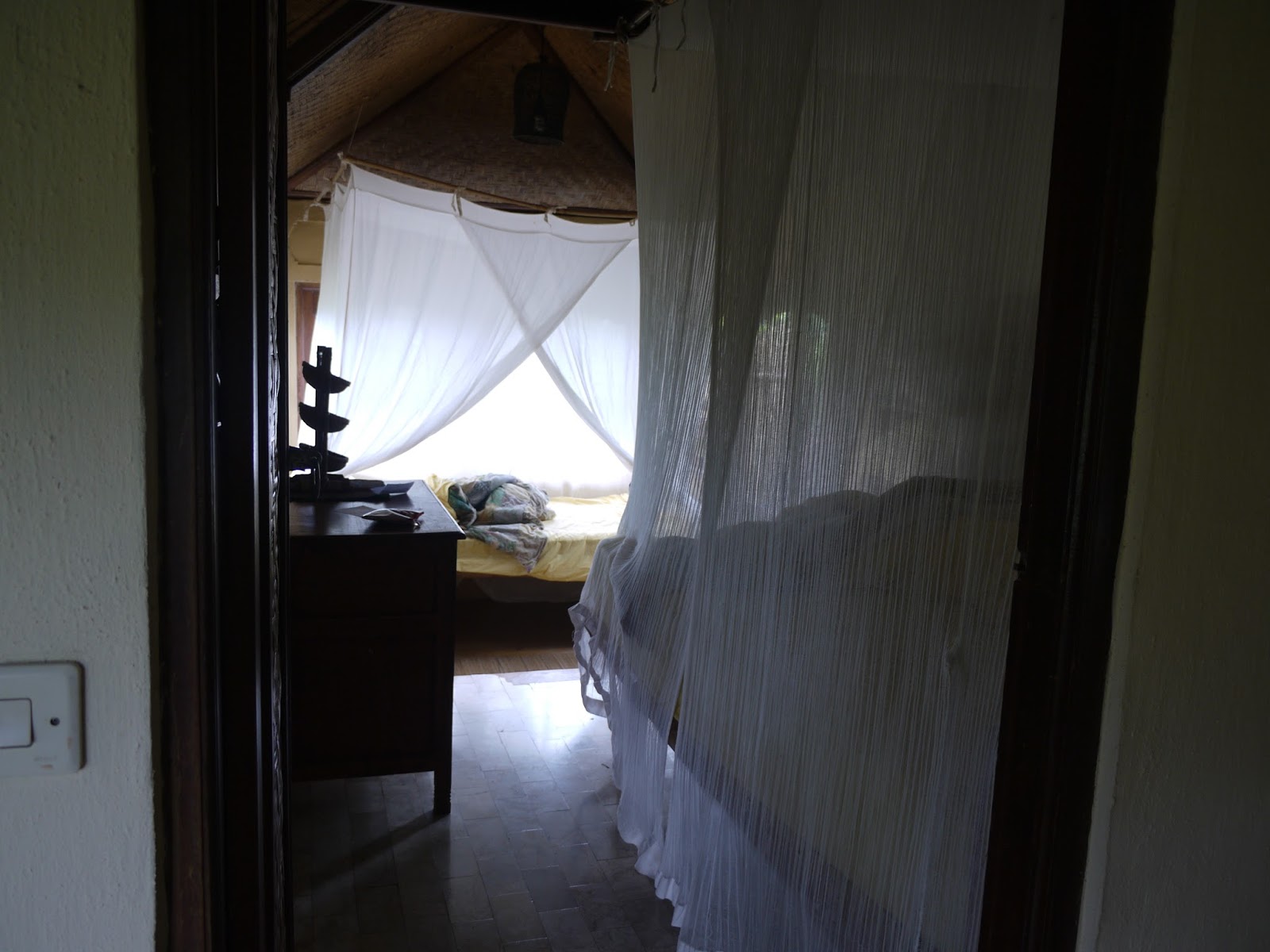
去熱帶小島,經常就會入住大型渡假村,但三年前我們一家四口入住了巴里島一家環保森林小屋名 SarinBuana  Eco Lodge,這間小屋隱藏在森林內,離機場也有兩個多小時的車程, 完全是以環保的概念來建築,沒有空調, 全用太陽能發電房間只用蚊帳,只有五家小屋,可以一家人投入大自然的懷抱。


這家是Ecolodge是由一名澳洲人開設的,當年她來到這裏就愛上了這片土地,於是就一手一腳建築起這家到家 小旅館,並推動環保旅遊與協助當地村莊的生態和經濟發展,這裏吃的蔬菜都是自家種的有機菜蔬,  為餐廳提供早午晚三餐,員工也是僱用當地的村民。同時不用化學農藥,因此到處都可見小昆蟲或者爬行動物, 甚至洗澡時都會有大大的蜜蜂、ladybug, 等 飛來飛去。


一開始,來自城市的兩姊弟非常不習慣,大呼小叫,特別是衛浴間就處於半露天狀態,後來也慢慢接受與大自然共存了。我們 也住的是兩層的樹屋,但兩姐弟都不願意自己在上層睡。設備乾淨、齊全。


住在這裏就像與世隔絕一樣,非常安靜,沒有電視,重回自然,獨自來靜思也不錯。住客雖然沒有游泳池,但我們卻可以走下由天然的瀑布形成的小河流內暢泳,這是弟弟覺得最好玩的地方。 這裡還飼養了猴子和小白兔,小朋友可以隨便餵飼,住在深山裡也不會感無聊了, 我們可以參加不同的活動例如各類文化活動:烹飪、學習印尼文與傳統樂器和木雕等。我們參加了一個植物園導賞, 認識種植的各類植物如可可樹等; 也參加了一個半天的Temple Walk,  在烈日下一邊認識沿途植物,一邊步行至附近一個廟宇參觀; 兩姐還參加了一個民族傳統服飾打扮的環節。我也抽空參加了餐廳的烹飪班。本來兩姐弟還可以探訪村中的學校,可惜那幾天正值當地學校休假。


如果不想住昂貴的五星級連鎖度假酒店,這裏是一個不錯的另類住宿體驗,讓小朋友嚐嚐脫離城市的生活, 在旅程上學到珍惜資源、保護環境。

2016年3月1日 星期二

教仔由腦出發


看見這張寫著: “ Sorry mom I yell at you. ”的字條放在我房間書桌上,我眼淚不禁再次奪眶而出,然而卻是欣喜的淚水,我這兩天不打不罵的堅持真是沒有枉費的,我的九兒子終於開始有自省能力。


過去兩天, 經常丟三落四的弟弟氣得我心力交瘁,昨天是周日,弟弟吃早餐時已在唸叨:「我好像不見了數學工作紙。」我靜聽後,只淡然說:「那就唯有欠交吧。但你要有心理準備接受老師明天會扣您Golden Time。」根據發展心理學,男孩的組織及計劃能力可能要到二十多歲才完成發展,所以我對他這種不見功課的行為已是見怪不怪 

早餐後,他再找一遍,還是遍尋不獲,於是就開始大哭:「我明明放左入書包架! 我以後都拿唔到星星,咩都做唔到!我聽日唔返學喇!就咩事都無啦!」

如果您是我,您會如何回應?

幸好, 我當時已去過無數親子講座,攻讀了許多理論,所以面對此時此刻,我還是把持得住。剛巧那幾天我也正讀到腦權威Dan Siegel 說若孩子發難,他們是處於用下層大腦思想的情緒波動狀態,這時候如果您向他說教、講道理、曉以大義,是不管用的。反而,父母必須先用同理心舒緩他的情緒,待他冷靜後,待負責是非黑白的上層大腦能夠接收時,才跟他慢慢說道理。因此這兩天我都默默沿用這些方法。

所以一聽他這樣說,明白他正處於下層大腦發難的當兒,我只好先用同理心跟他說:「我知道您依家一定好frustrated,因為次次都忘記了,我知你好想今個星期拿到星星。」

「係囉! 這間學校好stupid, 還是在教除數,我都識啦 。」他說。

慢慢積極聆聽,舒緩他情緒後,到晚上,我就問他該如何改善自己常常忘記帶東西的習慣,他說還要想想,想著再找一天跟他慢慢談。

但很快的周一晚上同樣事情重演,晚飯後看見他整張書桌浚亂不堪,我就跟他一邊核對這周計劃要做的功課,一邊跟他說:「您要先執拾一下書桌!」

怎知他急著要開始做功課,竟向我大吼:”Why don’t you leave me alone to do my homework?"我當時真恨不得大罵他一頓,充滿委屈,心裡很想向他大吼:「弟弟你知道我有多傷心嗎? 您以為媽媽好想打擾您嗎?您昨天才弄丟東西,就是因為沒有收拾之過,我都是為您好,您竟然向我大吼?」

….我還是忍住⋯⋯大口地深呼吸一下說:「好, I will leave you alone!」馬上別轉頭,推門離開,但我的眼淚已掉了下來。

我走回房間再深深地呼吸, 不過當時連自我安慰的時間也沒有,因為姐姐剛好來找我問功課。 

當回到房間看到他寫給我的這張字條時,我知道我用冷靜回應的辦法終於得到回報了。身為媽媽的一定要先安定自己情緒,也要給孩子空間去舒緩。

可是,一波未平一波又起,正想跟他說媽媽有多高興收到他的字條,我又聽見他在房間大叫找不到昨天做的six thinking hat write-up, 我真是氣炸了肺, 為什麼又再重演相同的事情?

但我再忍住不說教,只說: 要我幫您找一找?您確切記得有帶回家嗎?

但還是遍尋不獲, 他絕望了,伏在書桌上大哭:「又要再做過!!!」本來我有一肚子的教訓要跟他說, 但想到他又處於下層大腦狀態, 於是再忍, 只拍拍他肩膀說:「媽媽知道您好唔開心!我比杯水您。」 他竟然有回應:「我頭先飲左啦!

「唔緊要,我放在這裡吧。」

於是我又離開他房間,讓他自己冷靜一下。過了約十五分鐘 ,看見他已坐在電腦前在重做。

再過十五分鐘,他開心地帶著重做完成的紙進我房間告訴我:「媽咪,我做完啦!原來好快咋!因為我之前save了一些資料。」


「這不是很好嗎?您自己處理了情緒。那麼您會否考慮一下以後用媽咪建議的功課袋來收拾作業?或想想其他方法?

 以上是一則我常用來跟上Coaching媽媽們分享的一個小故事,告訴大家一兩個非常簡單的道理:「我們唯一能夠控制的是自己的行為。」和「小朋友發脾氣時也是教養的大好良機。」


一次又一次的控制都是得的,感恩能把事件轉危為機, 給了我教導兒子的黃金機會,讓他可自行舒緩情緒、自省、和學習檢討自己行為, 這是親子間一生受用的功課和禮物!  

父母效能訓練課程 [2019年9月][荔枝角]

Parent Effectiveness Training (P.E.T.) 父母效能訓練 課程    (2019 年 9 月份 )周二荔枝角廣東話班 父母效能訓練 (P.E.T.) 是現時全球首屈一指的親子育兒課程。 P.E.T. 是由屢獲殊榮的心理學...